
Your restaurant menu photos can make or break your business. Think about the last time you scrolled Instagram looking for food. Did you stop at the boring plate shots or the ones that made your mouth water? That split second decision happens millions of times every day.
Food photography in 2026 is not about just clicking pictures anymore. It’s about creating emotions, building trust, and making someone so hungry they immediately grab their phone to order. The trends this year are wild, exciting, and honestly, if you’re still using phone pics with bad lighting, you’re already losing customers to competitors who get it.
Why Food Photography Matters More Than Ever in 2026
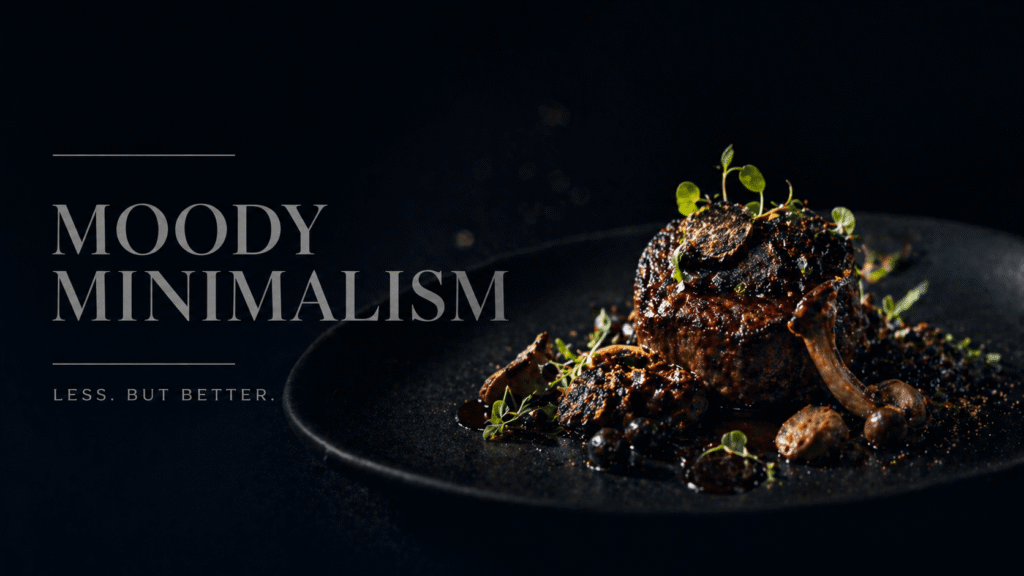
Hypercolor photography dominates Instagram in 2026. Bold, vibrant colors create scroll-stopping content that drives engagement and sales.
Let’s be real here. People eat with their eyes first. Your potential customer sees your food photo before they taste anything, before they read your menu, maybe even before they know your restaurant name. That photo is doing all the talking.
Your Menu is Your First Salesperson
Think of your food photos as your hardest working employee. They never take breaks, never call in sick, and work 24/7 on your website, social media, and food delivery apps. A stunning photo of your butter chicken or chocolate cake converts browsers into buyers. A bad photo? They scroll right past you to the next restaurant.
The scary truth is that 90% of customers check out food photos before deciding where to eat or order from. If your photos look amateur while your competitor hired professional food photography services, guess who gets the order?
Social Media Never Sleeps
Instagram, Facebook, Zomato, Swiggy – your food needs to look incredible everywhere. And here’s the thing nobody tells you: these platforms are getting smarter. They push content that keeps people engaged. Beautiful food photography gets more shares, more saves, more engagement. More engagement means more people see your posts without you paying for ads.
Professional food photographers understand how to create scroll stopping content. They know the angles, lighting, and styling that makes platforms favor your content. This is not something you can fake with a phone and a filter.
The Big Shift Happening Right Now
Food photography in 2026 is experiencing a massive change. Two opposite styles are dominating everything, and smart restaurant owners are using both depending on what they’re selling.
From Perfect to Real
Gone are the days when overly edited, impossibly perfect food photos worked. People got smart. They started noticing when photos looked nothing like the actual food they received. Trust died. Sales dropped.
Now, authenticity wins. People want to see real food, real lighting, real presentation. They want photos that make promises your kitchen can actually keep. This does not mean sloppy photography. It means professional shots that look natural, achievable, and absolutely delicious.
What Customers Actually Want to See
Your customers want to see exactly what they’ll get. They want to see the melted cheese pull. They want to see the fresh ingredients. They want to imagine that exact plate sitting in front of them. This is where professional commercial photography services become crucial – they know how to balance reality with appetite appeal.
Hypercolor Food Photography Taking Over Instagram
Walk into any trendy cafe right now and you’ll see it everywhere. Bright, bold, almost unreal colors that pop off the screen. Neon pink drinks. Electric blue desserts. Sunshine yellow curries against vibrant backgrounds.
What Makes Hypercolor Different
Hypercolor photography is not about realistic colors. It’s about creating an experience, a vibe, an aesthetic that makes people stop scrolling. Think of those viral rainbow bagels or that purple pasta. The colors are intensified, backgrounds are chosen to contrast and complement, and everything screams “take a photo and share this.”
This style works incredibly well for:
- Dessert shops and bakeries
- Juice bars and smoothie cafes
- Modern fusion restaurants
- Cloud kitchens targeting young audiences
The key is professional execution. Amateur hypercolor looks cheap and fake. Professional hypercolor looks intentional and exciting.
When to Use Bold Colors for Your Brand
Not every restaurant should go hypercolor. A traditional fine dining restaurant using hypercolor might confuse customers. But if you’re targeting Gen Z, selling experience based dining, or running a social media first brand, hypercolor can be your secret weapon.
Professional ecommerce photography services understand color psychology and brand alignment. They’ll tell you honestly if hypercolor fits your brand or if you need something else.
Moody Minimalism for Premium Brands
On the complete opposite end sits moody minimalism. Dark backgrounds, dramatic lighting, shadows that create depth, and a focus on the food that feels almost intimate. Think of those luxury restaurant photos where a single dish glows against a dark background.
Dark Backgrounds and Dramatic Lighting
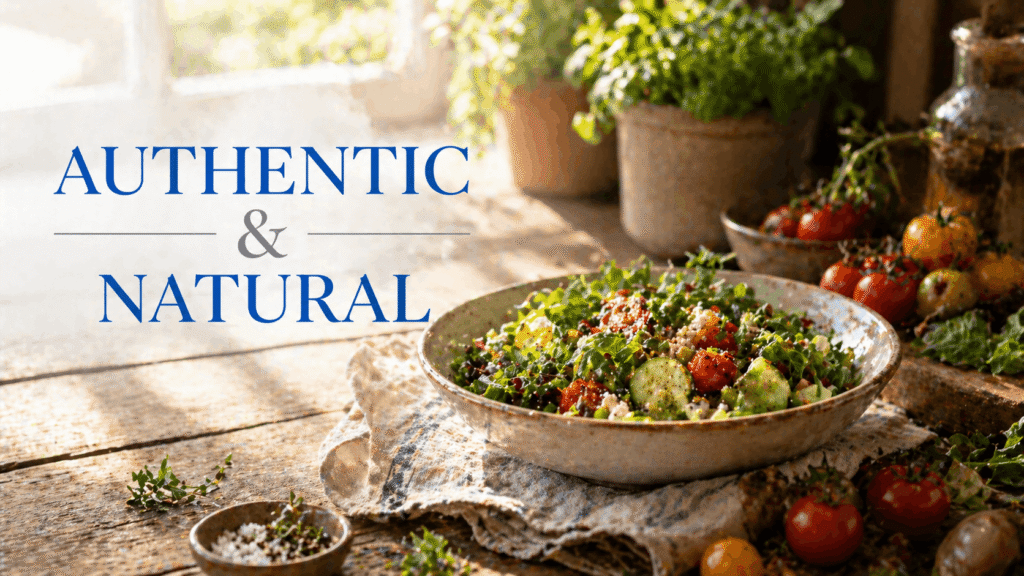
Moody minimalism defines luxury food photography in 2026. Dark backgrounds and dramatic lighting create sophisticated, high-end appeal.
Moody minimalism is all about sophistication. It says “we’re not trying to impress you with tricks, our food speaks for itself.” This style uses:
- Deep blacks or dark navy backgrounds
- Directional lighting that creates depth
- Minimal props and distractions
- Focus on texture and detail
When done right, moody minimalism makes food look expensive, exclusive, and worth every rupee. When done wrong, it just looks dark and uninviting. This is exactly why DIY attempts fail.
Why Luxury Restaurants Love This Style
High end restaurants, premium cafes, and boutique food brands gravitate toward moody minimalism because it matches their positioning. The photography style reinforces the brand promise: quality over quantity, experience over speed, craft over convenience.
If you’re in this category and still using bright, cheerful photos, you’re sending mixed signals to your ideal customer. Videography and photography need to align with your brand identity completely.
Natural Light and Authentic Presentation
Perhaps the biggest trend for 2026 is the return to natural, authentic presentation. After years of overly styled, impossibly perfect food photos, customers are craving realness.
No More Fake Looking Food
You know those photos where the burger is seven inches tall and held together with toothpicks? Or the ice cream that’s actually mashed potatoes because real ice cream melts under studio lights? Customers hate those. They feel betrayed when their actual order looks nothing like the photo.
Natural light photography shows food as it actually is, in its best possible light (literally). Morning sunlight streaming through a window. Late afternoon golden hour glow. Natural shadows that add dimension without drama.
Fresh Ingredients Tell Better Stories
Modern food photography focuses on the story behind the dish. Fresh vegetables being prepped. Steam rising from hot food. The chef’s hands plating with care. These authentic moments build trust and appetite simultaneously.
Professional food photographers know how to capture these moments without making them look staged. They understand timing, angles, and the technical skill needed to freeze natural moments beautifully.
Close Up Shots That Make People Hungry
Want to know the secret weapon of top food photographers in 2026? Extreme close ups that make viewers feel like they can almost taste the food through the screen.
Texture is Everything
A close up shot shows what wide angles cannot – the crispy crust on bread, the creamy texture of dal, the char marks on tandoori chicken. These details trigger hunger in ways that full plate shots just cannot match.
Macro photography requires specific lenses, precise focus control, and understanding of depth of field. This is technical photography that looks effortless when done right and amateurish when attempted without proper equipment.
The Steam, The Drip, The Details
The best food photos capture motion in still frames. Syrup dripping down pancakes. Steam rising from hot coffee. Cheese pulling from pizza. These shots take perfect timing, proper lighting, and often multiple attempts.
Corporate video production and photography experts have the patience and equipment to capture these moments. They’ll spend hours getting one perfect shot because they know that one shot will drive thousands in sales.
Vertical Photography for Mobile Viewers
Here’s something most restaurant owners miss: over 80% of people view food photos on phones, not computers. And phones are held vertically. Yet somehow, most food photos are still shot horizontally.
Instagram Reels and TikTok Changed Everything
Short form video and stories dominate how people discover restaurants now. Instagram Reels, YouTube Shorts, Instagram Stories – all vertical formats. Your horizontal photos get cropped weirdly or don’t fit properly.
Smart businesses are now shooting specifically for vertical. This means planning compositions differently, leaving space at top and bottom, and thinking mobile first.
How to Frame Food for Phones
Vertical food photography requires rethinking traditional composition rules. The food often sits in the center with context above and below. Or the frame follows the natural height of the dish, like a tall glass or stacked burger.
Professional photographers shooting for 2026 understand platform requirements. They deliver both horizontal and vertical versions, optimized for every use case.
Lifestyle Food Photography That Sells
The biggest trend separating winners from losers right now is lifestyle photography. Stop showing just the food. Show the experience, the environment, the feeling people will have.
Show the Experience, Not Just the Dish
A beautiful latte sits on a rustic wooden table near a window. Hands reach into frame holding forks over a shared platter. Friends laughing with pizzas in the background. These photos sell feelings, not just food.
Lifestyle photography makes viewers imagine themselves in the scene. They don’t just think “that looks good.” They think “I want to be there, experiencing that.”
People Want to See Themselves There
The most effective food photography includes subtle human elements. Not faces dominating the frame, but hands, partial figures, activities that create story and connection. This approach works brilliantly for restaurants with strong ambiance or unique dining experiences.
Why Professional Food Photography is Not Optional Anymore
Let’s talk about the uncomfortable truth. You’re competing with thousands of other restaurants and food businesses. Many of them have professional photos. When a customer sees their polished shots next to your phone pics, who do you think looks more trustworthy?
Your Competitors Are Already Doing It
Check your top three competitors’ Instagram right now. Chances are high they’ve invested in professional photography. They understand that in a visual first world, photography is marketing, sales, and brand building all in one.
The investment in professional food photography pays for itself quickly through increased orders, higher prices you can charge, and better engagement on all platforms.
The Real Cost of Amateur Photos
Amateur photos don’t just fail to attract customers. They actively repel them. Bad lighting makes food look unappetizing. Poor composition makes it look cheap. Inconsistent photos make your brand look unreliable.
The real cost is not what you spend on professional photography. It’s what you lose every single day through missed opportunities, lost customers, and a weaker brand position.
Choosing the Right Food Photography Partner
Hypercolor photography dominates Instagram in 2026. Bold, vibrant colors create scroll-stopping content that drives engagement and sales.
Not all photographers understand food. Portrait photographers, wedding photographers, even commercial photographers might not grasp the specific skills food photography demands.
What to Look for in a Professional Service
Look for a photography service that specializes in food and understands your specific needs. They should have a portfolio showing various styles – hypercolor, moody minimalism, lifestyle shots. They should understand your target audience and brand positioning.
Ask about their process, timeline, deliverables, and how they handle revisions. Professional services like Cinematic360 offer complete packages including planning, shooting, editing, and optimization for different platforms.
Questions to Ask Before You Book
- Do you have experience with my type of cuisine?
- What’s included in the package?
- How many final edited photos do I receive?
- Will photos be optimized for social media?
- Do you provide both horizontal and vertical versions?
- What’s your turnaround time?
- Can I see examples of similar work?
Common Mistakes Killing Your Food Sales
Even with professional photography, some restaurants make critical mistakes that kill their sales potential.
Bad Lighting Ruins Everything
Lighting makes or breaks food photography. Harsh overhead lights create unflattering shadows. Flash washes out colors. Dim lighting makes food look old and unappetizing.
Professional photographers use controlled lighting – sometimes natural, sometimes studio lights, always chosen specifically to make your food look its absolute best. This is not something you can replicate with phone flash.
Too Much Editing Makes Food Look Fake
The opposite mistake is over editing. Cranking saturation until colors look radioactive. Adding so many filters that the food looks computer generated. Photoshopping details until nothing looks real.
The best food photography enhances reality without crossing into fantasy. Professional editors know exactly where that line is.
Future of Food Photography Beyond 2026
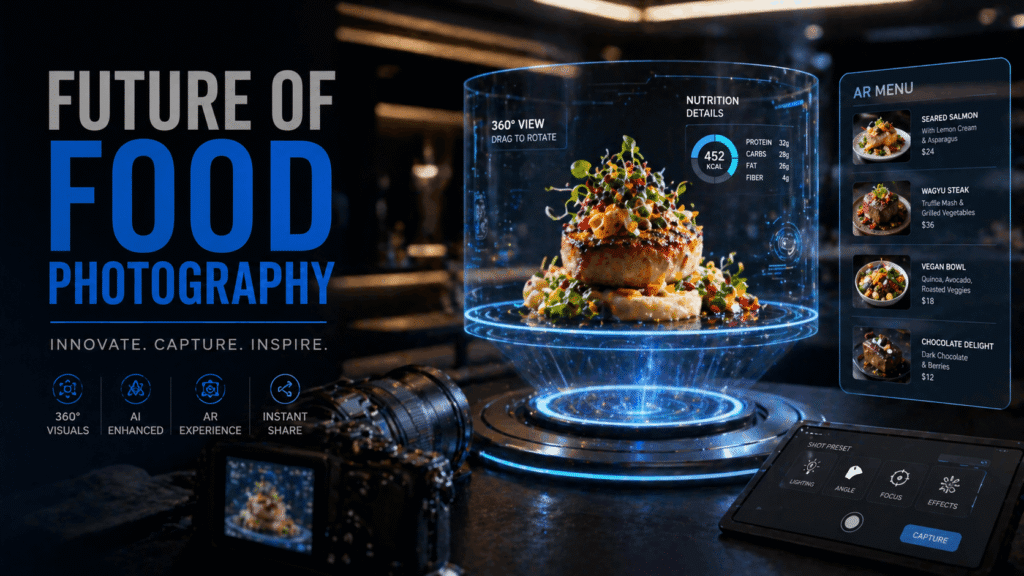
Looking ahead, food photography will keep evolving with technology and consumer preferences. We’re already seeing AI assisted editing, 360 degree product views, and augmented reality menu experiences. Virtual tours and 3D tours are becoming popular for showcasing restaurant spaces alongside food.
The restaurants that stay ahead will be those who invest in professional, trend aware photography now. The ones who wait will spend years playing catch up while losing customers every single day.
Frequently Asked Questions
What food photography style is best for my restaurant? It depends on your brand positioning and target audience. Trendy cafes often use hypercolor, fine dining prefers moody minimalism, and family restaurants work well with bright, natural lifestyle shots. A professional photographer can guide you based on your specific needs.
How much should I budget for professional food photography? Quality food photography is an investment, not an expense. Packages vary based on number of dishes, shoot location, and deliverables. Consider it a marketing investment that keeps working for months or years across all your platforms.
Can I use smartphone photos if I learn some techniques? While smartphone cameras have improved, they cannot match professional equipment for food photography. Proper cameras, lenses, lighting equipment, and editing software make a massive difference in final results.
How often should I update my food photos? Update photos when you change menus, rebrand, or when current photos look outdated compared to competitors. Seasonal dishes need fresh photos. Generally, a complete refresh every 12-18 months keeps your brand current.
Do I own the photos after the shoot? This depends on your contract. Professional services typically provide usage rights for marketing purposes. Always clarify ownership and usage rights before booking.