Ask five people what a corporate video is and you’ll get five answers. For one, it’s the “about us” film on the website. For another, it’s a safety training video for the plant floor. Both are right.
The useful way to think about it is by goal. What should the viewer do after watching? Trust you, buy from you, join you or follow a process correctly. Below are 32 types of corporate videos grouped by that goal, plus our honest take on which one to make first. If you’re planning one now, our corporate video production company in Mumbai page shows how we shoot them.
Quick answer: Types of corporate videos fall into five groups by goal: trust and brand (brand film, company profile, testimonials), sales and marketing (explainers, product demos, ad films), hiring and culture (recruitment, employee stories), training and internal (SOP, safety, CEO messages) and events and investors (event highlights, AGM and investor videos).
Trust and brand videos
- Brand film. Who you are and why you exist. Mood over features.
- Company profile video. Facts, capacity, certifications, clients. The video procurement teams watch.
- Founder story. The person behind the company, in their own words.
- R&D or facility film. Labs, equipment and people. We made one for Aarti Industries’ Research & Technology Centre, and it does more for buyer trust than any brochure.
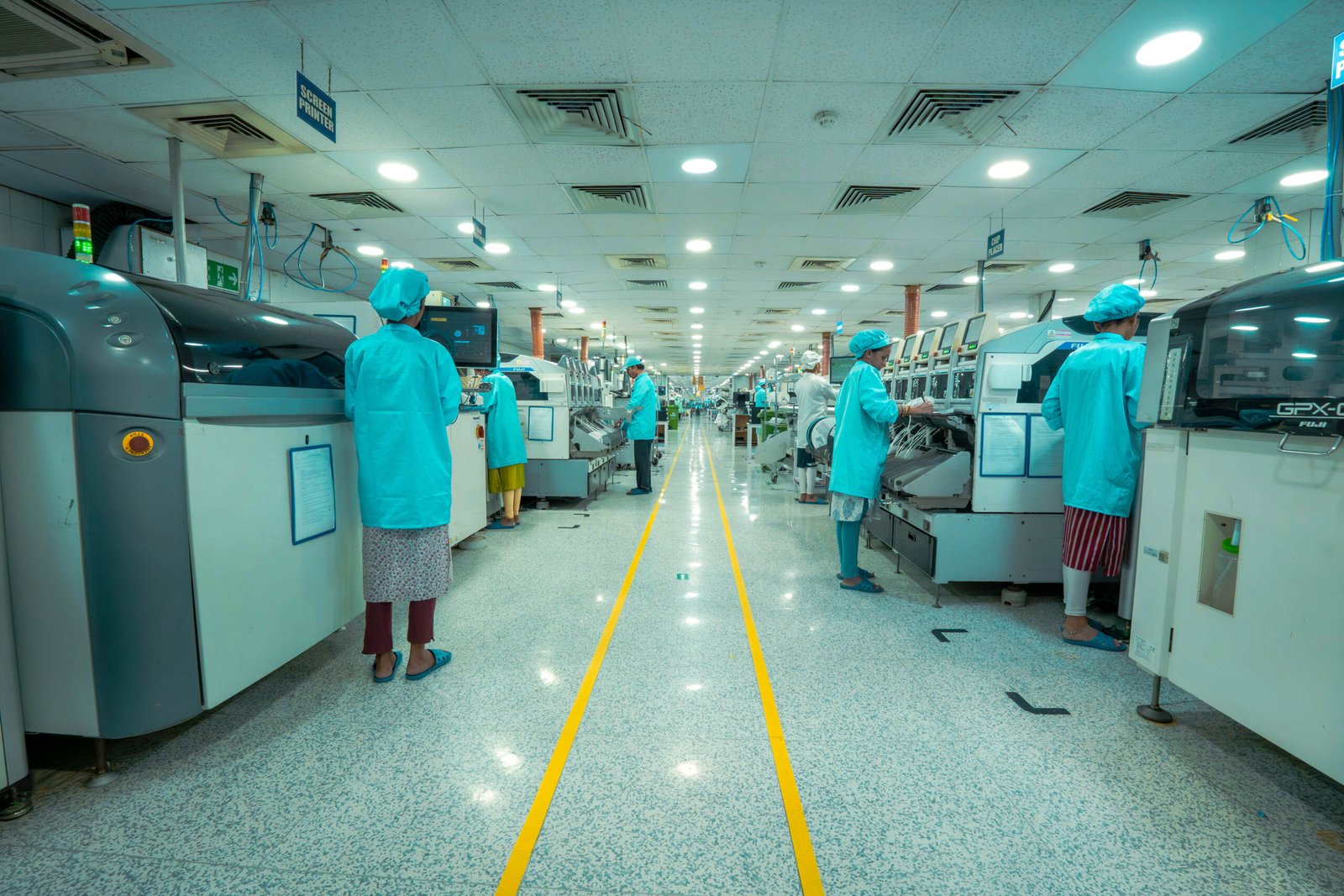
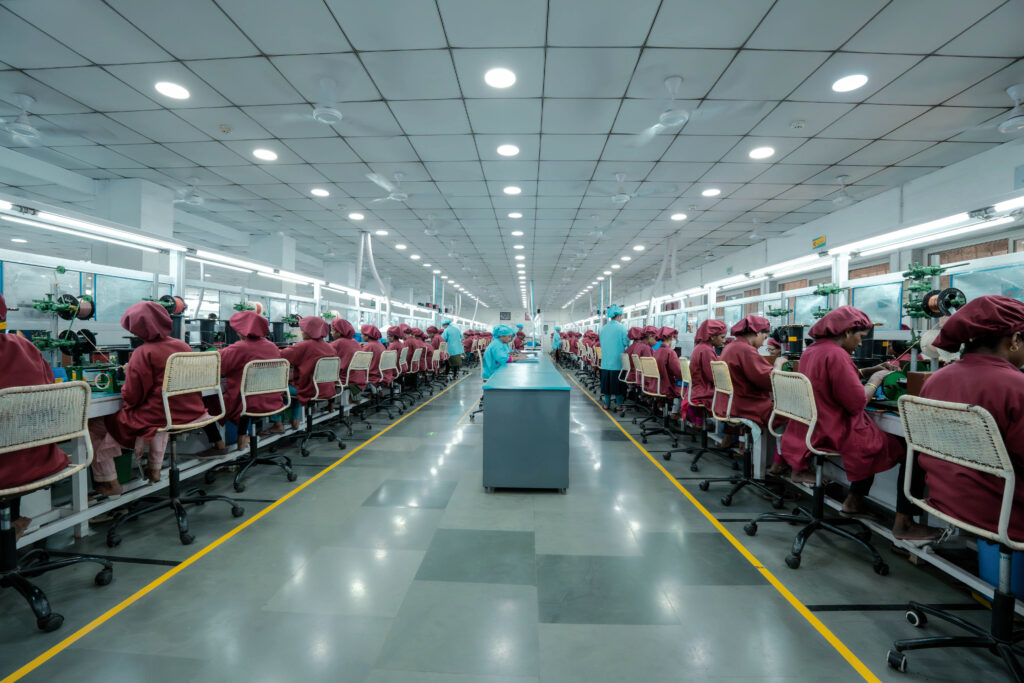
- Factory walkthrough. Gate to dispatch. Export buyers and auditors love it.
- Client testimonial. A real customer explaining a real result.
- Case study video. Problem, approach, outcome, with numbers you can share.
- CSR film. Your community work, shown without chest-thumping.
Sales and marketing videos
- Explainer video. One complex product, explained in 90 seconds.
- Product demo. The product working, close up, in real conditions.
- Ad film. Short, emotional, built for paid media.
- Social media Reels. Vertical clips cut from bigger shoots.
- Product launch video. Builds hype before and on launch day.
- Exhibition or trade show AV. Loops on a booth screen with no sound.
- Customer onboarding video. Helps new clients start using what they bought.
- FAQ video. Your sales team’s top 10 questions, answered on camera.
Hiring and culture videos
- Recruitment video. Why talented people should join.
- Employee testimonial. Real staff, real stories, no scripts.
- Office walkthrough. Shows candidates where they’ll work.
- Day in the life. One role, one day, start to finish.
- Culture film. Festivals, offsites, the way your teams actually work.
- Campus hiring video. Made for college placement presentations.
Training and internal videos
- Training video. A process taught once, watched a thousand times.
- Safety and SOP video. Critical in plants and labs. Visual beats a printed manual.
- CEO message. Quarterly updates that feel personal.
- Internal announcement. New policy, new office, new leader.
- Employee onboarding video. Day one, explained before day one.
- Compliance training. Dry topics made watchable.
Event and investor videos
- Event highlight video. Dealer meets, launches, conferences in 2 minutes.
- Conference coverage. Full sessions for people who missed them.
- AGM and investor update. Results and plans, explained clearly.
- Award night film. Recognition your team will share for months.
Which corporate video should you make first?
For most B2B companies, start with the company profile video. Then a factory or facility walkthrough if you manufacture anything. Those two answer the questions every serious buyer asks before a meeting: are you real, are you capable and can I trust your quality?
Pharma, chemical and engineering companies especially. We’ve shot cinematic films for Lupin and Aarti Industries, and the pattern is clear. Buyers and partners want to see infrastructure, people and process. A good facility film does the first meeting’s job before the meeting.
Consumer brands are different. Start with a brand film or an ad film, then cut Reels from the same shoot.
One shoot, many videos
Here’s the trick that saves the most money. Plan four or five of these together and shoot them in the same days. A two-day shoot at your plant can produce a company profile, a factory walkthrough, three employee testimonials and ten Reels. Booking the crew once costs far less than booking them five times.
See it in action
Not sure which corporate video fits your goal? Ask us.
WhatsApp or call Cinematic360 on +91 89284 93817. Send your project location, timeline and what the video needs to do. You’ll get a clear plan and quote, usually the same day.
Frequently asked questions
What are the main types of corporate videos?
The main types are brand films, company profile videos, testimonials, explainers, product demos, ad films, recruitment videos, training and safety videos, CEO messages and event or investor videos.
Which corporate video should a company make first?
Most B2B companies should start with a company profile video, then a factory or facility walkthrough. Consumer brands usually start with a brand film or ad film.
What is the difference between a brand film and a company profile video?
A brand film builds emotion and explains why the company exists. A company profile video gives facts such as capacity, certifications, clients and locations.
How long should a corporate video be?
Most work best between 60 seconds and 3 minutes. Training and conference videos can be longer because viewers need the full information.
Can several corporate videos be shot together?
Yes. Planning several videos into one shoot schedule is the most cost-effective approach, since crew and equipment are booked once.