

Most interior designers are great at design.
Selling is a different skill entirely.
And if you are waiting for clients to magically find you — based on talent alone — you are going to wait a long time.
Here is the truth about how to sell interior design services in 2025. It is not about being pushy. It is about making the right impression, at the right moment, before a client even calls you.
Let’s get into it.
Quick Answer: How Do You Sell Interior Design Services?
To sell interior design services, you need three things: a strong portfolio that builds trust instantly, a clear process that removes the client’s fear of getting it wrong, and professional visual content that makes your work impossible to ignore online.
The best interior designers do not chase clients. They attract them by looking better, communicating clearer, and showing proof that they deliver.
1. Your Portfolio Is Your Sales Team
Before a client calls you, they have already judged you. Make the first impression count.
Here is the thing. Before a client calls you, they have already judged you.
They looked at your Instagram. They browsed your website. They watched your reel — or did not, because you do not have one.
Your portfolio is working for you 24 hours a day. Or it is not working at all.
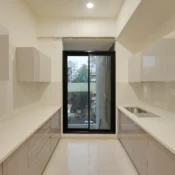
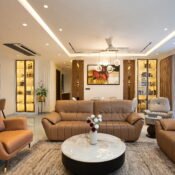
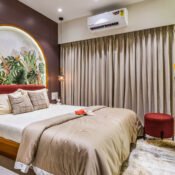
A weak portfolio loses clients you never even knew you had. A great portfolio — with professional photos, proper lighting, and styled spaces that look magazine-worthy — converts browsers into enquiries without you saying a word.
Professional interior photography is not a luxury. It is your best salesperson. One well-shot project can bring you leads for months.
2. Show the Transformation, Not Just the Result
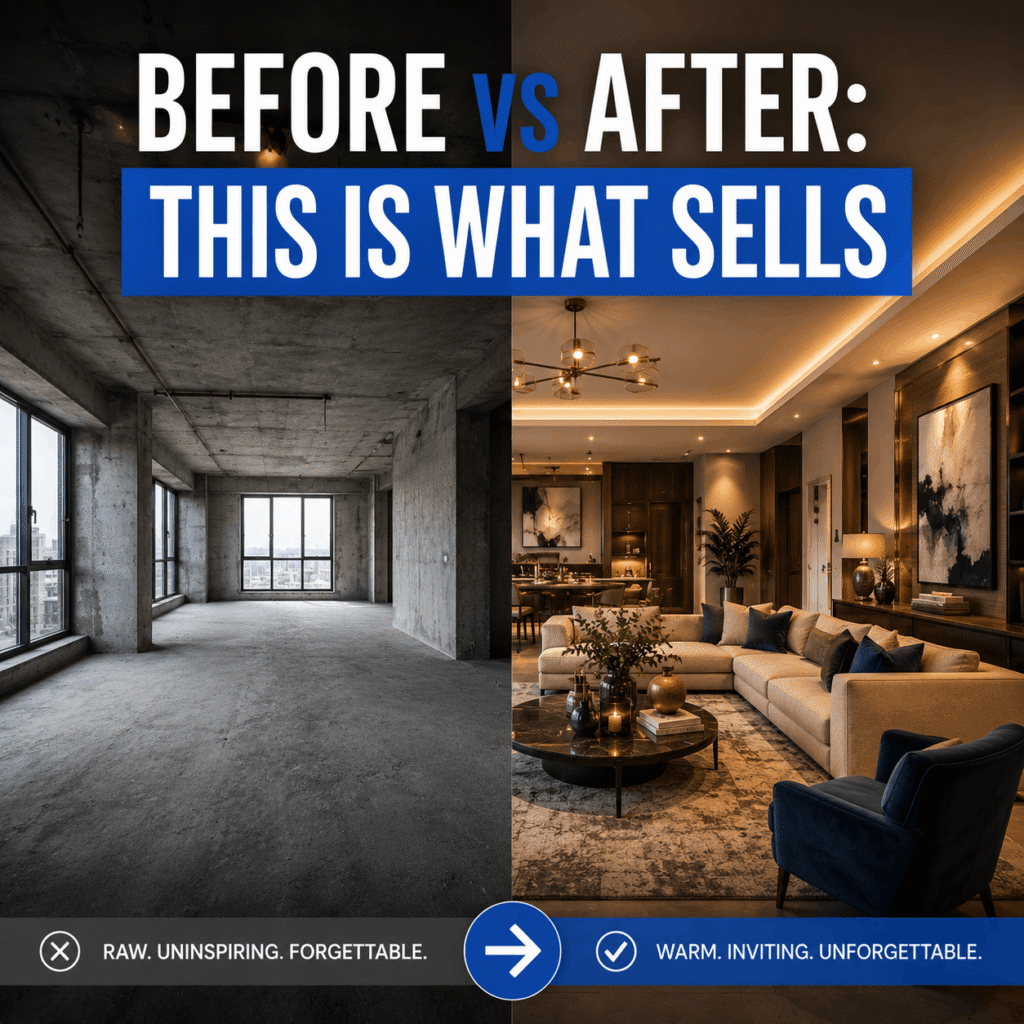
Clients do not buy rooms. They buy the transformation.
Clients do not buy finished rooms. They buy the feeling of going from chaos to beautiful.
The before and after is the most powerful sales tool in interior design. It shows you solve a problem — not just that you have good taste.
A short walkthrough video of a project, from raw shell to completed space, tells a story no photo can match. It builds trust, shows your process, and creates an emotional response.
Think about it this way. A client watching a 60-second reveal video is mentally placing their own family inside that space. That is when they pick up the phone.
3. Make It Easy for Clients to Say Yes
A common mistake is making the sales process feel complicated.
Clients are nervous. They do not know what interior design actually costs. They are worried about being overcharged or losing control of their own home.
Your job is to remove that fear before the first meeting.
A clear, simple process page on your website — showing how you work, what each stage involves, and roughly what to expect — answers the questions clients are afraid to ask. It builds confidence.
Real estate developers in Mumbai specifically look for designers who make the process predictable. If you can show a clear methodology and a track record through a 3D Matterport tour of past projects, the conversation shifts from “how much” to “when can we start.”
Expert Insights: What High-Earning Interior Designers Do Differently
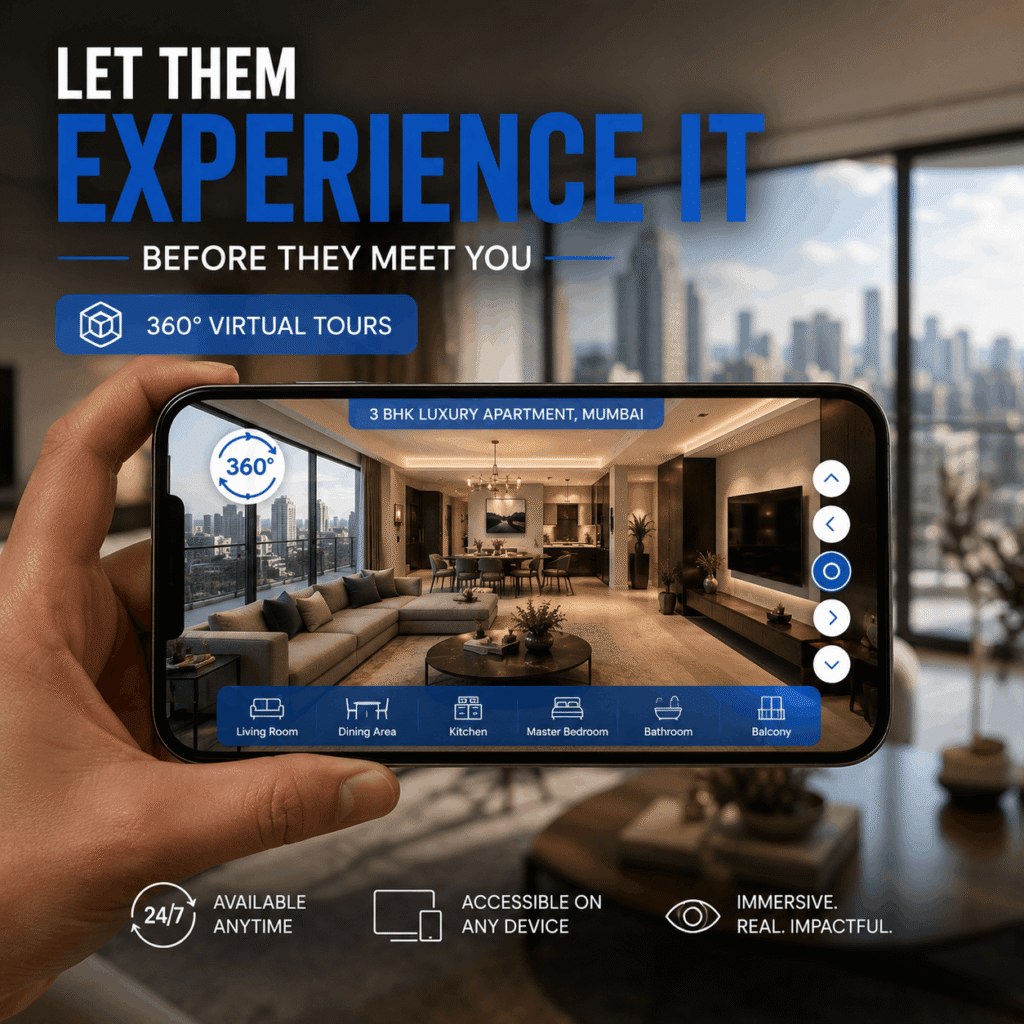
Four enquiries from one virtual tour link. That is not luck — that is strategy.
They do not wait for referrals. They build systems that generate referrals automatically.
Here is what that looks like in practice.
After every completed project, they get a testimonial, a professional photoshoot, and ideally a short client video. That content goes on their website, their Instagram, their Google Business profile, and into every new client proposal.
One good project, captured properly, feeds their marketing for an entire year.
They also show up on Google. When someone types “interior designer in Bandra” or “best interior designer Mumbai,” the designers who appear are not necessarily the most talented. They are the ones who invested in Google Street View listings, strong websites, and consistent content.
Visibility is a choice. Invisibility is also a choice.
Common Mistakes When Selling Interior Design Services
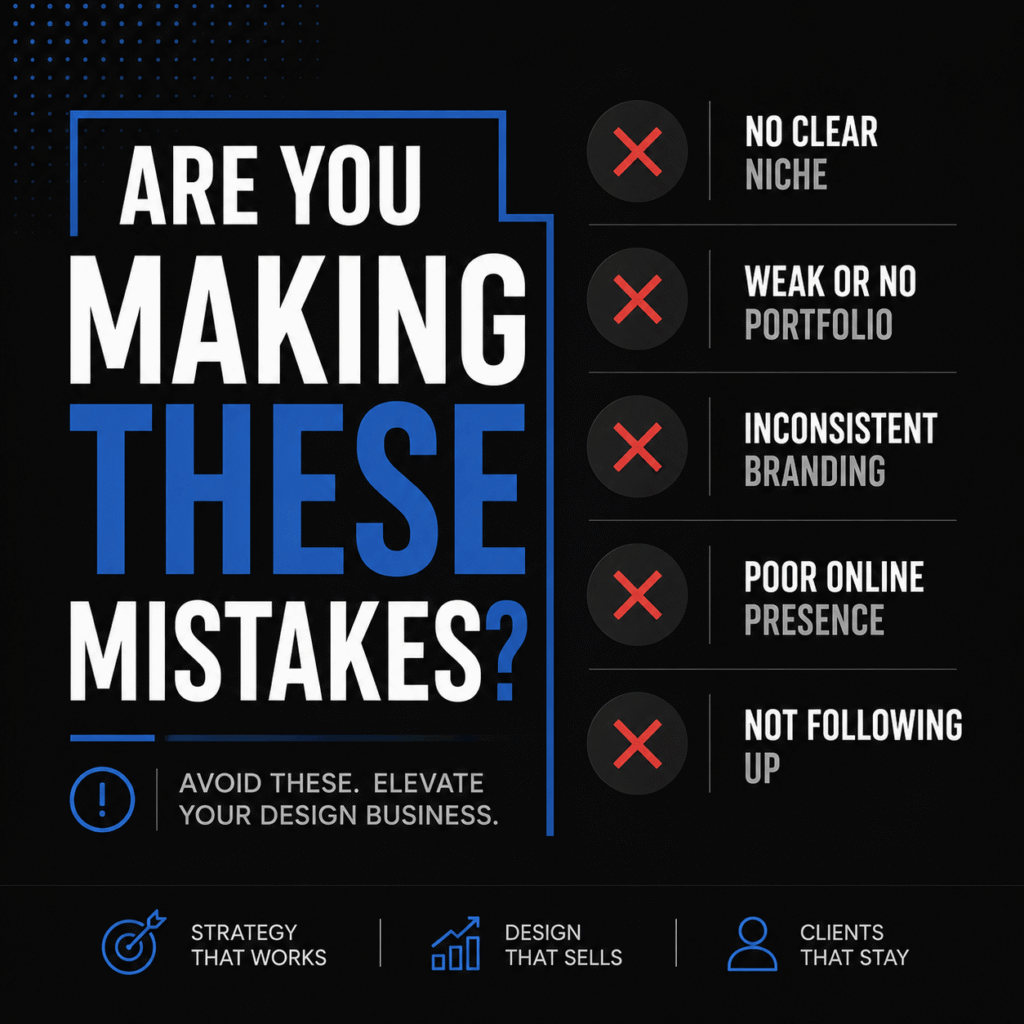
Most designers are losing clients for reasons they can easily fix.
Relying only on word of mouth. Referrals are great. But they are unpredictable. If your only pipeline is word of mouth and your last client stops referring, your pipeline dries up overnight.
Using bad photos. A stunning project photographed badly looks like a mediocre project. Clients cannot see the quality of your craftsmanship through a blurry phone photo. Your work deserves better.
No pricing clarity online. Most designers hide their prices out of fear. But clients who cannot get a sense of your range will simply move on to someone more transparent.
No video presence. Instagram Reels and YouTube Shorts are where interior design decisions are now made. If you are not there, you are invisible to an entire generation of potential clients.
Not following up. A lead that does not convert on first contact is not a dead lead. Most clients need 3 to 5 touchpoints before they book. A simple follow-up email with a link to a recent project can close a client weeks after the first conversation.
Real-World Examples: What Works in the Indian Market
An interior designer in Mumbai’s western suburbs completed a premium 3BHK in Juhu.
The project was stunning. But the only photos were taken on a phone, uploaded to Instagram with a basic caption. The post got 40 likes. No enquiries.
Six months later, the same designer got a professional photoshoot and a 360-degree virtual tour done for a similar completed project in Andheri.
The virtual tour link was added to the website and Instagram bio. That single project brought in 4 direct enquiries in 3 months.
Same quality of design. Different quality of presentation.
For real estate developers, the story is even clearer. Developers who use drone photography for exterior shots and Matterport tours for model flats see higher site visit rates and faster booking decisions. Buyers spend more time on the virtual tour than they do on physical visits — and they come back for second viewings at a much higher rate.
Want to make your interior design work look as impressive online as it does in person? Talk to Cinematic360 — professional photography, video, and virtual tours for interior designers and developers across Mumbai.