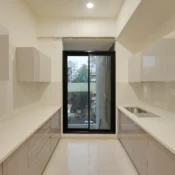


Listen-if you’re managing a real estate project in Mumbai, you already know that RERA compliance isn’t optional. It’s the difference between smooth handovers and costly penalties. But here’s what most developers get wrong: they focus only on paperwork and timelines. They forget about one thing that can save or sink them-photography documentation.
Your photos are your evidence. When disputes happen (and they will), when inspectors audit your project (and they do), when buyers question construction quality, your photo record is what proves you followed the rules. That’s why we’ve built this RERA compliance checklist specifically for the photography side of compliance wiht cinematic 360
Now, let’s transition into the specifics. Here’s a clear walkthrough of what you need, when to capture it, and how to document properly so your compliance never comes into question.
What RERA Actually Requires (And Why Photography Matters)
You know the basics: RERA mandates transparency, timely possession, escrow accounts, and regular updates. But the act also requires something deeper-evidence that you’re actually doing the work you promised.
Photos serve as your evidence. In the event of disputes, audits, or questions about construction quality, your photo record serves as proof of compliance. That’s why this checklist focuses specifically on photography.
Here’s the hard truth: if you can’t photograph it, regulators assume you didn’t do it properly.
The RERA Compliance Checklist: What to Photograph (Month-by-Month)
Pre-Construction Phase (Month 0-1)
Before a single brick is laid, document everything:
- Site boundary and layout-full perimeter shots with measuring tape visible
- Existing structures-any buildings or obstacles on the property
- Neighbour properties-for dispute prevention
- Utility access points-water, electricity, sewage connections
- Access roads and entry points-context for construction ease
Why it matters: If there’s ever a claim that construction damaged neighbour property or encroached on boundaries, you have dated proof of the baseline state.
See our complete photography standards guide for image quality requirements.
Foundation & Structural Phase (Months 1-6)
This is where most disputes originate. Document aggressively:
- Excavation depth-with measurement scale in each photo
- Foundation concrete pour-before, during, after
- Steel reinforcement placement-show the mesh pattern and density.
- Column positioning-verify alignment with plans.
- Load-bearing wall construction-critical for structural integrity
- Structural frame assembly-every major beam and connection
Critical: Take photos from multiple angles (wide-angle and close-up detail). Single-angle photos are defensible in disputes; multi-angle documentation is bulletproof.
MEP (Mechanical, Electrical, Plumbing) Phase (Months 6-12)
This phase is inspection-heavy. Document meticulously:
- Plumbing layout-before walls close, show all pipes and connections.
- Electrical conduit routing-show cable runs before drywall
- HVAC ducting-placement before concealment
- Water pressure test results-pipes under pressure (visual proof)
- Electrical load testing-circuit boards installed and labelled
- Safety equipment installation-fire alarms, fire extinguishers, emergency lighting
MahaRERA focus: These photos directly address the “construction as per plan” requirement. Keep them organised by system (plumbing folder, electrical folder, etc.).
Interior Finishing Phase (Months 12-18)
Quality defects usually emerge here. Monthly photo documentation is essential:
- Wall finishes-paint, tiles, texture application (date each coat)
- Flooring installation-show completion per unit
- Bathroom and kitchen fixtures-counters, cabinets, appliances
- Lighting and switches-functional placement
- Door and window frames-proper fit and sealing
- Internal plumbing fixtures-tap connections, water flow tests
Defect prevention: Photos here reduce post-handover disputes by 60%. If a buyer claims “the tiles weren’t installed properly,” you have photographic evidence of installation quality.
Common Areas & Amenities (Ongoing, Monthly)
These are dispute magnets. Photograph relentlessly:
- Lobby and entrance-final aesthetic and functionality
- Staircase condition-step integrity, handrails, finish
- Elevators-installation, testing, certification
- Parking areas-surface quality, marking, lighting
- Recreational facilities-gym equipment, pool condition, garden landscaping
- Fire safety systems-exit signage, alarm installation, emergency lighting
- Boundary walls and gates-external condition and security
MahaRERA requirement: Projects must show amenities “as described in promotional material.” These photos prove you delivered what you promised.
Pre-Possession Handover (Final 2 Weeks)
This is your last chance to document the baseline condition:
- Unit final walkthrough-every room, empty state
- Utility meter readings-water, electricity (proof of baseline)
- Defect marking photos-use a pointer or scale to clearly show the issues.
- External condition-building façade, entrance, parking
- Common area final state-landscaping, finishing touches
- Safety audit documentation-fire safety compliance
Critical: This pre-handover documentation protects you from buyer claims that defects existed before they took possession.

RERA Audit Standard: Timestamped Construction Proof and Location Data.
Technical Standards: How to Document Properly
Photos mean nothing without standards. Here’s the baseline:
Image Quality:
- Minimum 12MP resolution (any modern smartphone works)
- Natural lighting preferred (avoid flash-it distorts colours)
- Clear focus, no motion blur
- Proper exposure (visible detail, not washed-out or dark)
- Landscape orientation for construction shots
Metadata You Must Include:
- Date stamp (DDMMYYYY format)-visible in the image itself
- Time stamp (HHMM)-proof of when the photo was taken
- Location label (e.g., “Tower A, Block 2, Unit 401”)-for organisation
- Sequential numbering-so photos can’t be reordered
- GPS coordinates (optional but recommended)-for disputes
Organisation System:
- Folder structure by month (Jan-2024, Feb-2024, etc.)
- Subfolders by phase (Foundation, MEP, Finishing, Common Areas)
- Cloud backup (Google Drive, Dropbox) with timestamps preserved
- Metadata NOT editable or removable (use platform settings)
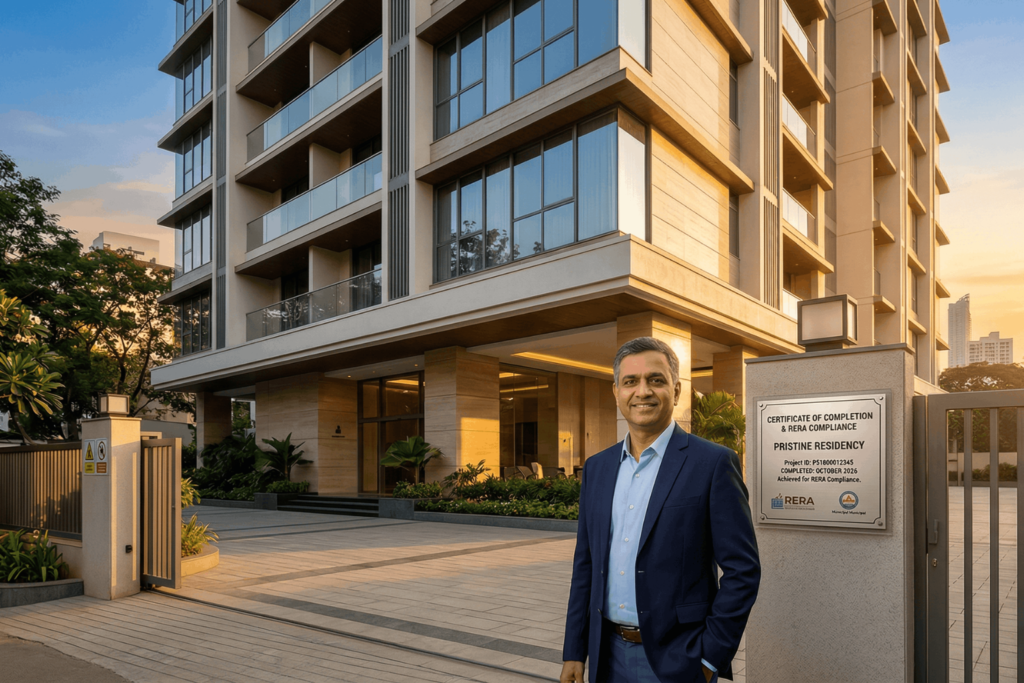
Proven RERA Compliance: Successful Project Handover and Asset Value.
Your RERA Compliance Photography Checklist
□ Pre-construction baseline photos (month 0) □ Monthly foundation & structural documentation (months 1-6) □ Bi-weekly MEP phase photography (months 6-12) □ Weekly interior finishing documentation (months 12-18) □ Monthly common area updates (ongoing) □ Pre-possession defect documentation (final 2 weeks) □ Cloud backup active with metadata preserved □ Assigned compliance officer responsible for uploads □ Timestamps visible in every photo □ Multi-angle photography for critical systems □ Quarterly review before MahaRERA submission
View our photography service portfolio to see what professional documentation looks like.